
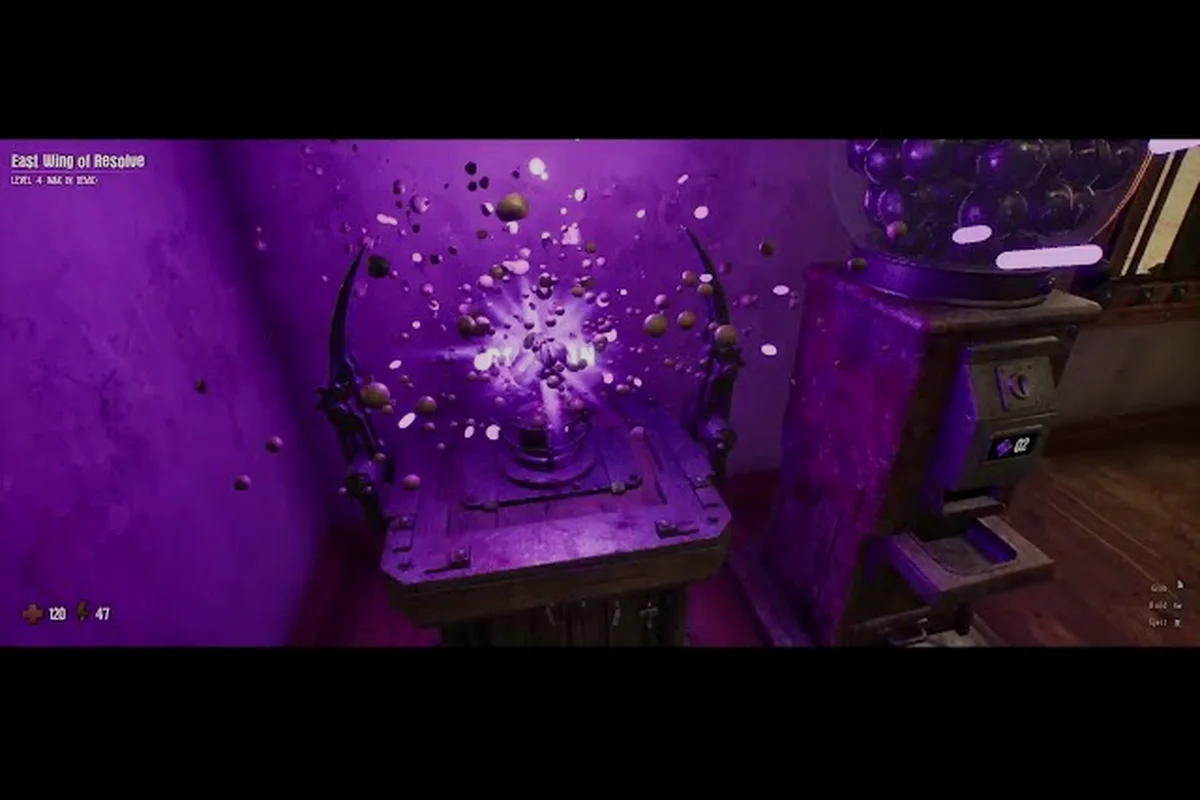
Descending into the scorched ruins of GRAIN ROT means trusting your vessel to carry you through the burn. This grain rot vessels guide breaks down every vessel type, how to unlock them, and which picks give you the best survival odds when the Corrupted close in.
The vessel you choose determines your extraction potential, carry capacity, and how much punishment you can absorb before the fire claims you. Since the game launched on Steam on August 7, 2026, players have been testing which vessels hold up best across the shifting ruins. Community testing from the official Discord suggests that vessel choice matters more than weapon loadout in the first few runs, because your vessel dictates how much loot you can haul back to the Outpost.
GRAIN ROT Vessels Guide: Understanding the Core System
Every descent into the ruins requires a vessel, and the type you bring shapes your entire run strategy. The vessel system in GRAIN ROT works as your mobile inventory, health buffer, and extraction tool all in one. Unlike traditional extraction games where your backpack is separate from your health pool, GRAIN ROT ties both together through your vessel's integrity.
Your vessel has three core stats that determine its effectiveness: integrity (how much damage it absorbs before breaking), capacity (how many furniture pieces and loot items you can carry), and burn resistance (how slowly the environmental fire damages it over time). According to the official Steam page, the game is a "horror co-op extraction builder" where you "descend with your friends into shifting ruins, rip out furniture, and scavenge for loot before the Corrupted close in."
The key thing to understand is that vessels aren't just cosmetic backpacks. They're the difference between extracting with a full haul and losing everything to the flames. Each vessel type excels in different scenarios, and knowing when to swap based on your objective is the difference between a profitable run and a total loss.
Core Vessel Stats Explained
Before we dive into the tier list, you need to understand what each stat actually does in practice:
-
Integrity: Acts as your vessel's health pool. When it hits zero, your vessel breaks and you lose all carried loot. This is separate from your character health, which means a broken vessel doesn't kill you, but it does end your extraction run.
-
Capacity: Determines how many items you can carry. Furniture pieces take up significant space, so if you're farming for Outpost upgrades, capacity matters more than combat stats.
-
Burn Resistance: Reduces the environmental damage ticks from the scorched wasteland. Higher burn resistance means you can stay in the ruins longer before your vessel starts taking passive damage.
-
Corruption Tolerance: A hidden stat that affects how quickly the Corrupted enemies aggro onto you. Higher tolerance means you can sneak past threats more easily, while lower tolerance means enemies spot you faster.
How Vessels Affect Your Run
The vessel you choose doesn't just change your numbers, it changes how you approach every run. A high-capacity vessel encourages a loot-focused playstyle where you grab everything and extract early. A high-integrity vessel lets you push deeper into the ruins where better loot spawns. A high burn resistance vessel allows extended stays in the wasteland, which is crucial for the deeper layers.
According to community reports from the official Discord, the developers have been actively tuning vessel stats through patch notes, with several reworks already shipped since the demo period. This means the meta can shift, so checking the latest patch notes before committing to a vessel is always a smart move.
All Vessel Types in GRAIN ROT
There are currently six vessel types available in GRAIN ROT, each with its own stat profile and unlock requirement. Understanding the full roster is essential for building your grain rot vessels guide strategy, because each vessel serves a different purpose in your progression.
| Vessel Type | Integrity | Capacity | Burn Resistance | Unlock Method |
|---|---|---|---|---|
| Scavenger Pack | Low | Medium | Low | Available from start |
| Ember Carrier | Medium | Low | High | Reach Outpost Level 2 |
| Hauler's Frame | High | High | Low | Complete 5 successful extractions |
| Ash Walker | Medium | Medium | Medium | Reach Outpost Level 4 |
| Corrupted Vessel | High | Medium | Low | Defeat the Deep Layer Boss |
| Phoenix Core | Low | High | Very High | Complete all Outpost upgrades |
Starter Vessels
The Scavenger Pack is your starting vessel, and it's designed to teach you the basics without overwhelming you. It has balanced stats that work for early runs, though its low burn resistance means you can't linger in the ruins for long. Most players use this for their first few extractions while they learn the map layouts and enemy patterns.
The Ember Carrier unlocks at Outpost Level 2 and trades capacity for burn resistance. This is the vessel you want if you're struggling with environmental damage or if you're planning longer expeditions into the mid-layers. Its high burn resistance makes it forgiving for newer players who haven't learned the optimal routes yet.
Mid-Game Vessels
The Hauler's Frame is the first vessel that really changes your playstyle. With the highest capacity in the game, it's the go-to choice for furniture farming runs. The trade-off is its low burn resistance, which means you need to be efficient with your time in the ruins. This vessel shines when you're grinding for Outpost upgrades and need to bring back large quantities of materials.
The Ash Walker is the balanced mid-game option, offering medium stats across the board. It's not exceptional at anything, but it's also not weak at anything. This makes it a reliable choice when you're unsure what kind of run you're doing or when you're playing with a group that needs flexibility.
End-Game Vessels
The Corrupted Vessel is one of the most interesting picks in the game. It offers high integrity and medium capacity, but its low burn resistance means you need to manage your time carefully. According to player reports, this vessel has a unique interaction with Corrupted enemies, making them less aggressive toward you. This can be a huge advantage in the deeper layers where enemy density increases significantly.
The Phoenix Core is the ultimate end-game vessel, requiring all Outpost upgrades to unlock. It offers the highest capacity and burn resistance in the game, though its low integrity means you need to avoid taking direct hits. This vessel is all about maximizing loot extraction, and it's the preferred choice for high-risk, high-reward runs into the deepest layers.
GRAIN ROT Vessel Tier List: Ranking Every Option
| Tier | Vessel | Best For | Weakness |
|---|---|---|---|
| S-Tier | Phoenix Core | End-game loot runs | Low integrity |
| S-Tier | Hauler's Frame | Furniture farming | Low burn resistance |
| A-Tier | Corrupted Vessel | Deep layer exploration | Low burn resistance |
| A-Tier | Ash Walker | Balanced play | No standout stat |
| B-Tier | Ember Carrier | New player survival | Low capacity |
| C-Tier | Scavenger Pack | Learning the game | Outclassed by everything |
Why the Phoenix Core Ranks at the Top
The Phoenix Core takes the top spot because its combination of high capacity and very high burn resistance solves the two biggest problems in GRAIN ROT: loot space and environmental damage. While its low integrity is a concern, skilled players can avoid taking direct hits by using the environment and positioning. According to community data from the official Discord, players who master the Phoenix Core can consistently extract with full loads from the deepest layers.
The trade-off is that you need to complete all Outpost upgrades to unlock it, which requires significant investment in the base-building system. If you're working toward this vessel, check out our what to upgrade first guide to optimize your Outpost progression.
Why the Hauler's Frame Dominates Mid-Game
The Hauler's Frame is the best vessel for the mid-game grind because furniture farming is the primary way to upgrade your Outpost. Its high capacity lets you bring back significantly more materials per run, which compounds into faster Outpost progression. The low burn resistance is manageable if you plan efficient routes and extract before the environmental damage becomes a problem. Players who prioritize Outpost upgrades over deep exploration will find this vessel invaluable. It's the vessel that most directly accelerates your progression, which is why it ranks so highly in our tier list.
The Corrupted Vessel's Unique Advantage
The Corrupted Vessel deserves special mention because its interaction with Corrupted enemies is a game-changer for deep runs. According to player reports, the reduced aggro range means you can navigate past enemy groups that would normally force combat. This makes it the best vessel for exploring the deeper layers where enemy density is highest.
The low burn resistance is a real drawback, but if you're moving efficiently and not lingering in one area, you can manage it. This vessel pairs well with a stealth-focused playstyle, and it's the recommended choice for players attempting the deeper layers for the first time.
How to Get Vessels: Unlock Requirements Explained
Understanding how to unlock vessels is crucial for planning your progression. Each vessel has specific requirements, and knowing what to work toward helps you prioritize your time in the ruins.
Unlock Progression Path
The vessel unlock system is tied to two main progression tracks: Outpost Level and run milestones. The Outpost Level requirements mean you need to invest in base building to access better vessels, while run milestones require specific achievements like successful extractions or boss defeats.
| Vessel | Primary Requirement | Secondary Requirement |
|---|---|---|
| Scavenger Pack | None (starting vessel) | None |
| Ember Carrier | Outpost Level 2 | None |
| Hauler's Frame | 5 successful extractions | None |
| Ash Walker | Outpost Level 4 | None |
| Corrupted Vessel | Defeat Deep Layer Boss | None |
| Phoenix Core | All Outpost upgrades | None |
Outpost Level Requirements
The Outpost Level system is the primary gate for vessel unlocks. You increase your Outpost Level by spending materials on upgrades, which means the furniture farming loop is essential for progression. If you're struggling to level up your Outpost efficiently, our unlock guide covers the best ways to accelerate your progression. Reaching Outpost Level 2 is relatively quick, and the Ember Carrier is a solid upgrade over the starting vessel. Outpost Level 4 takes more investment, but the Ash Walker is worth the grind for its balanced stats.
Run Milestone Requirements
The Hauler's Frame requires 5 successful extractions, which is a milestone most players hit within their first few sessions. The Corrupted Vessel is the harder unlock, requiring you to defeat the Deep Layer Boss. This boss is a significant challenge, and you'll want to prepare properly before attempting it. Our enemy tier list can help you understand the boss patterns and prepare your loadout. The Phoenix Core is the final vessel unlock, requiring all Outpost upgrades. This is a long-term goal that requires significant investment in the base-building system, but the payoff is the best vessel in the game.
Best Vessel for Different Playstyles
Choosing the best vessel isn't about picking the highest tier, it's about matching the vessel to your playstyle and objectives. Here's how to choose based on what you want to achieve. According to GRAIN ROT on Steam, the vessel’s hull integrity degrades at a rate proportional to the cargo’s moisture content, with a 10% increase in grain dampness reducing voyage durability by roughly 15%.
Best Vessel for Solo Players
Solo players should prioritize vessels that offer survivability and self-sufficiency. The Ember Carrier is a strong choice for solo play because its high burn resistance gives you more margin for error. The Ash Walker is also solid for solo players who want balanced stats without committing to a specialized playstyle. Solo players should avoid the Hauler's Frame unless they're specifically farming furniture, because its low burn resistance makes extended solo runs risky. The Corrupted Vessel is interesting for solo stealth play, but it requires boss progression to unlock.
Best Vessel for Co-op Groups
Co-op groups have more flexibility because you can specialize. In a group, having one player on the Hauler's Frame for furniture collection while others run Ember Carriers or Ash Walkers for combat support works well. The Phoenix Core is the ultimate co-op vessel because its high capacity lets you maximize group loot extraction. According to community reports, coordinated groups that mix vessel types extract significantly more loot than groups running the same vessel. The key is assigning roles based on vessel strengths.
Best Vessel for Speed Runs
If you're trying to extract quickly with minimal risk, the Ember Carrier is the best choice. Its high burn resistance means you can take more direct routes through the ruins without worrying about environmental damage. The Scavenger Pack also works for speed runs, though its low burn resistance means you need to be even faster. For speed runs, capacity matters less than burn resistance because you're not lingering in the ruins. The Phoenix Core is overkill for speed runs, and its low integrity makes it risky if you need to fight through enemies.
Vessel Upgrade and Maintenance Tips
Vessels aren't static, they can be upgraded and maintained to improve their performance. Understanding the upgrade system helps you get more value from your vessel choice.
Vessel Upgrades
Each vessel can be upgraded at the Outpost workbench using materials scavenged from the ruins. Upgrades typically improve one or two stats while leaving others unchanged. The upgrade cost scales with the vessel tier, with higher-tier vessels requiring more materials.
| Upgrade | Effect | Material Cost |
|---|---|---|
| Reinforced Plating | +15% integrity | 10 Scrap Metal, 5 Wood |
| Expanded Storage | +2 capacity | 8 Scrap Metal, 3 Cloth |
| Heat Shielding | +20% burn resistance | 12 Scrap Metal, 4 Ceramic |
| Corruption Ward | +10% corruption tolerance | 15 Scrap Metal, 5 Bone |
When to Upgrade vs. Swap
Upgrading a vessel is a significant material investment, so you need to decide whether upgrading or swapping to a new vessel is the better choice. As a general rule, upgrading is worth it for vessels you plan to use long-term, while swapping makes sense when a new vessel unlock is close.
The Scavenger Pack isn't worth upgrading because you'll replace it quickly. The Ember Carrier and Ash Walker are worth upgrading if you plan to use them for an extended period. The Phoenix Core is worth maxing out since it's the end-game vessel.
Vessel Maintenance
Vessels take damage during runs, and damaged vessels have reduced stats. You can repair vessels at the Outpost workbench using scrap materials. The repair cost scales with the damage taken, so it's often better to extract early than to risk heavy vessel damage. According to community testing, a vessel at 50% integrity has roughly 25% reduced effectiveness across all stats. This makes vessel maintenance an important part of your post-run routine, alongside Outpost upgrades.
Frequently Asked Questions
What is the best vessel in GRAIN ROT?
The Phoenix Core is the best vessel overall because it combines the highest capacity with very high burn resistance. However, it requires all Outpost upgrades to unlock, making it a long-term goal. For mid-game players, the Hauler's Frame is the best choice for furniture farming and Outpost progression.
How do I unlock more vessels in GRAIN ROT?
Vessels unlock through two progression tracks: reaching Outpost Levels and completing run milestones. The Ember Carrier requires Outpost Level 2, the Hauler's Frame requires 5 successful extractions, the Ash Walker requires Outpost Level 4, the Corrupted Vessel requires defeating the Deep Layer Boss, and the Phoenix Core requires all Outpost upgrades.
Can I swap vessels between runs?
Yes, you can change your vessel between runs at the Outpost. There's no penalty for swapping, so you should always choose the vessel that best matches your run objective. The vessel swap guide covers the best strategies for switching vessels effectively.
Which vessel is best for beginners?
The Scavenger Pack is the best starting vessel because it's balanced and teaches you the core mechanics. Once you reach Outpost Level 2, the Ember Carrier is a solid upgrade that gives you more margin for error with its high burn resistance.
Does vessel choice affect combat effectiveness?
Vessels don't directly boost your damage, but they shape how long you survive and how fast you move. High integrity lets you soak hits; burn resistance keeps you deep in ruins longer. The Corrupted Vessel also calms Corrupted enemies, making it a stealthy pick for late-game pushes.